

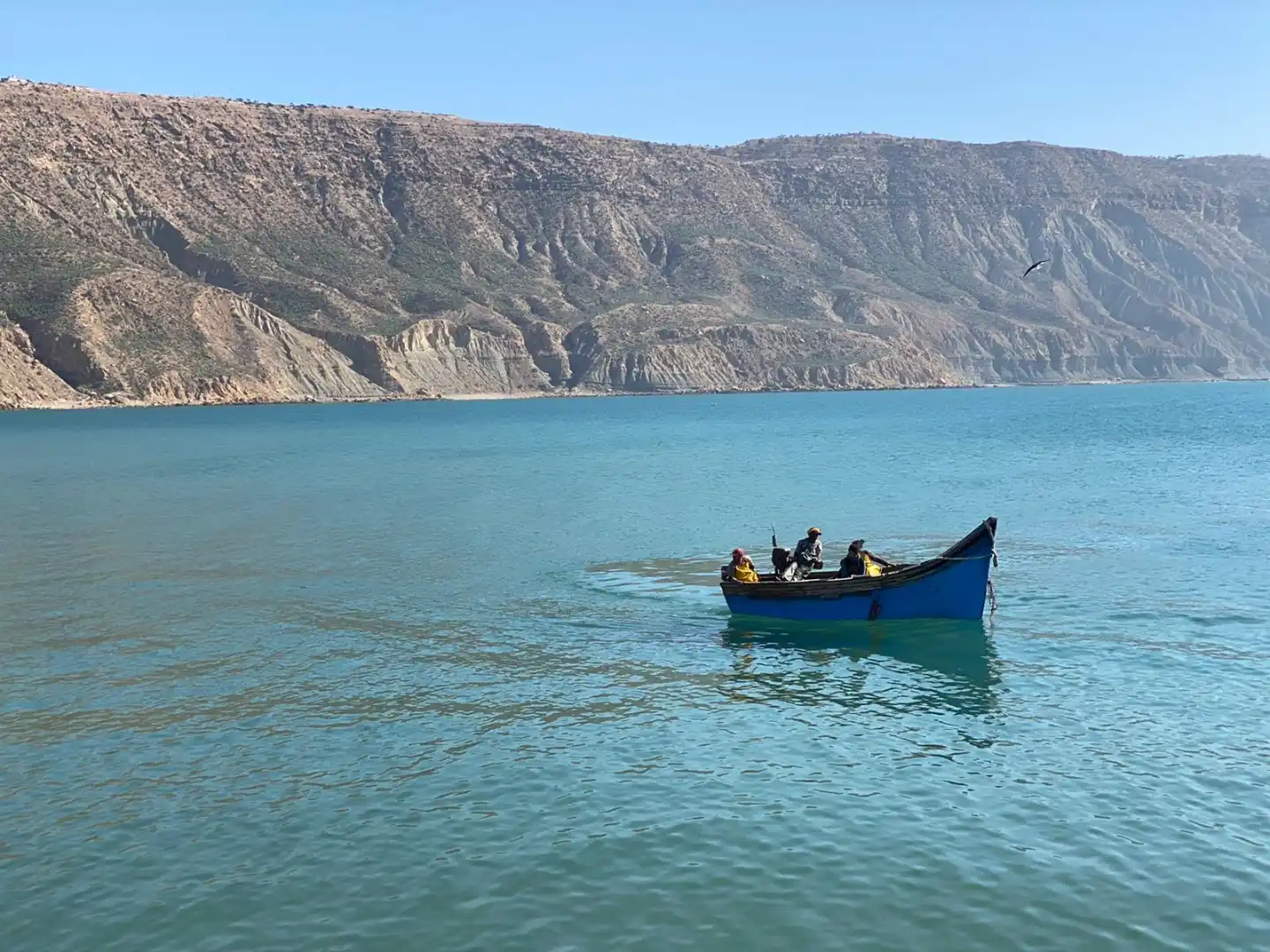
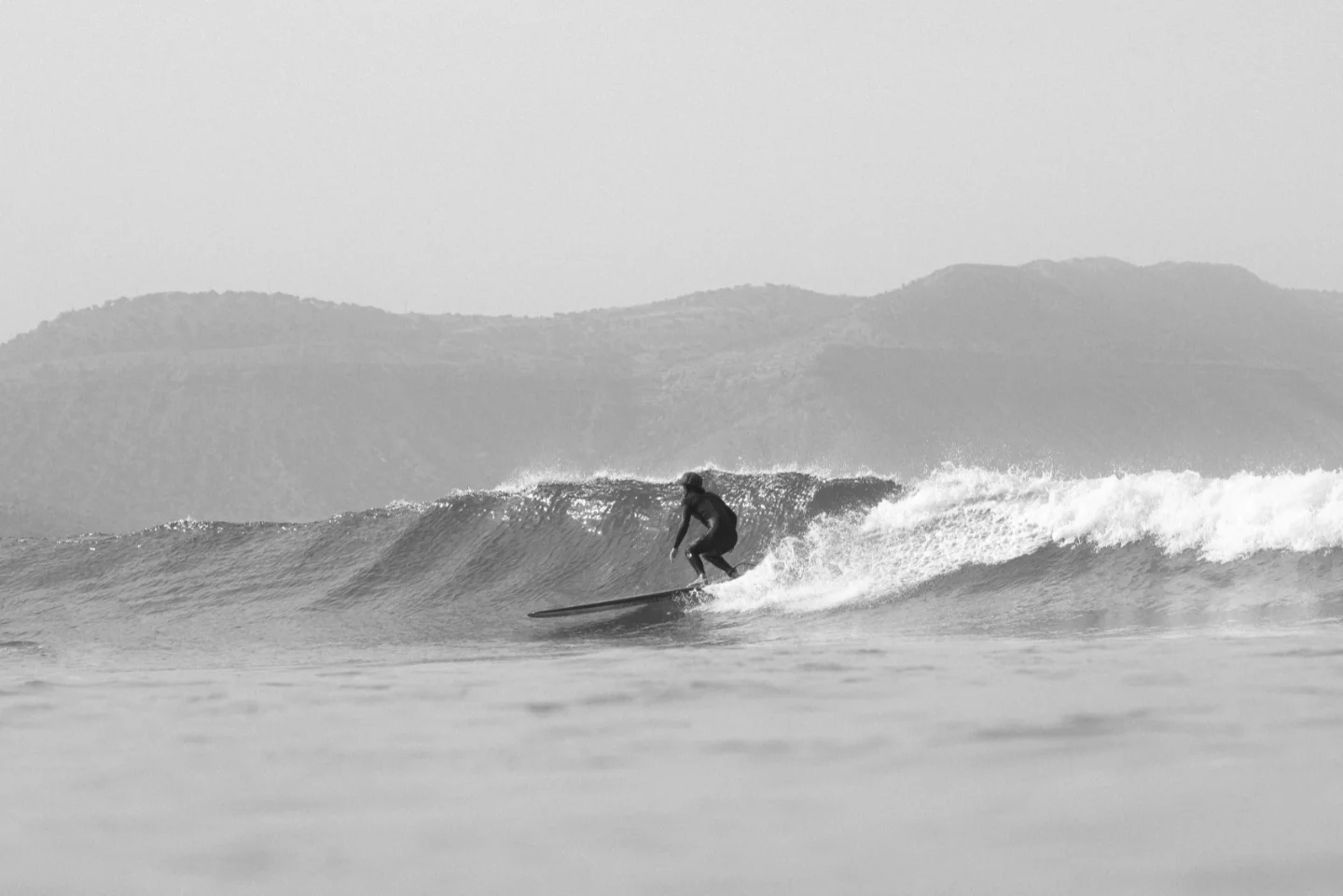
The imsouane vibe is hard to describe until you’ve felt it. It’s 7am, the Atlantic is flat and glassy, a local fisherman waves at you from the harbour, and your only real decision of the day is whether to surf the Bay or the Cathedral first. Somewhere around day three, you realise you’ve been more productive here than you’ve been in months — and you’ve also caught more waves than you have in years.
This is why Imsouane has quietly become one of the best places in the world to mix remote work with surfing. It’s got what most digital nomad hotspots lose once they blow up: genuine calm, low cost of living, reliable (if not blazing) WiFi, and a wave that works almost every day of the year.
Why the Imsouane vibe works for remote workers
The logic is simple. Surfing in Morocco — especially at a mellow spot like Imsouane — follows a rhythm that happens to work brilliantly around a working day. Dawn surf. Work through the morning. Second session in the afternoon when the wind dies. Sunset on the terrace. Repeat.
You’re not fighting for desk space at a co-working café in Lisbon or paying Barcelona rent. You’re in a small Moroccan fishing village where your biggest distraction is deciding which tagine to order for dinner.
The cost helps too. A comfortable room, three meals, and daily surf access can run €45–80/day depending on where you stay. That’s less than a mediocre Airbnb in most European cities, and the quality of life is considerably higher.
What a Typical Work-Surf Day Looks Like
There’s no one-size-fits-all, but here’s a realistic version of the imsouane vibe in practice:
- 7:00–9:00am: Dawn patrol. The Bay is usually cleanest in the morning before the wind picks up. Get 90 minutes in the water before breakfast.
- 9:30am–1:00pm: Work session. Grab your laptop, find a spot with WiFi, and knock out your most important tasks while the morning energy is still with you.
- 1:00–2:30pm: Lunch and a proper break. Fresh fish, bread, mint tea. This is not optional.
- 3:00–5:30pm: Second work block — calls, admin, lighter tasks.
- 5:30–7:00pm: Second surf if the wind is offshore. Or a walk along the cliffs. Or a long sit on the rooftop terrace watching the sunset.
- 7:30pm: Dinner. Probably something your host made from scratch.
That’s not a fantasy schedule — it’s what a lot of people actually end up doing after a couple of days here. The place kind of organises you.
WiFi and Connectivity: The Honest Truth
Imsouane is a small village in Morocco, not a tech hub. WiFi exists and it works — but it’s not the gigabit fibre you’d find in a Lisbon co-working space. Most surf camps and guesthouses offer WiFi that handles video calls, cloud syncing, and regular workloads without issues. For heavy upload jobs or live video production, you might hit frustrating moments.
The backup that most nomads use: a Moroccan SIM card with a data plan. Maroc Telecom and Inwi are the main operators — you can grab a SIM at the airport in Agadir for very little, and a 20–30GB monthly data plan costs around €10–15. Hotspot to your laptop and you’re sorted even if the camp WiFi is having a bad day.
The Olas Surf House has WiFi throughout — and if you need more bandwidth for a deadline week, it’s worth flagging to the team when you book so they can set you up in the best spot.
Cost of Living in Imsouane
One of the reasons the imsouane vibe works for remote workers is the economics. Morocco is genuinely affordable for people earning in euros or pounds.
- Accommodation: €25–80/night depending on the type (dorm → private room → surf camp with meals included)
- Food: €3–5 for a restaurant lunch, €6–10 for a full dinner. Cook yourself even cheaper if you have a kitchen.
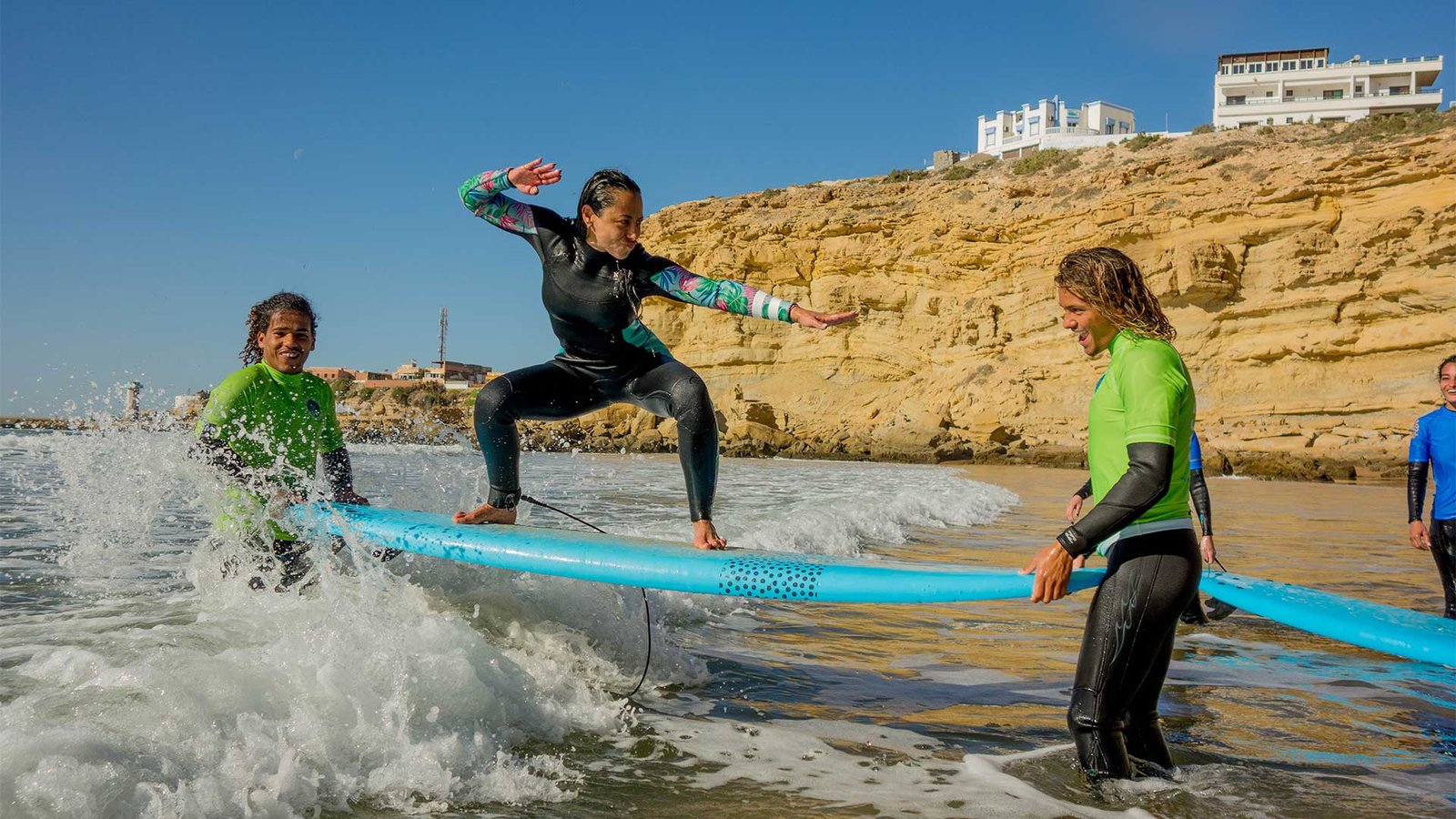
- Surf lessons: €20–35/session with a qualified instructor
- Coffee: €1–2. Proper mint tea: €0.50–1. The afternoon café habit will not break the bank.
- Monthly estimate: For a comfortable digital nomad setup with surf camp accommodation, meals out, and lessons — budget €1,200–1,800/month. That’s significantly less than most Western European cities.
The social side of the Imsouane vibe
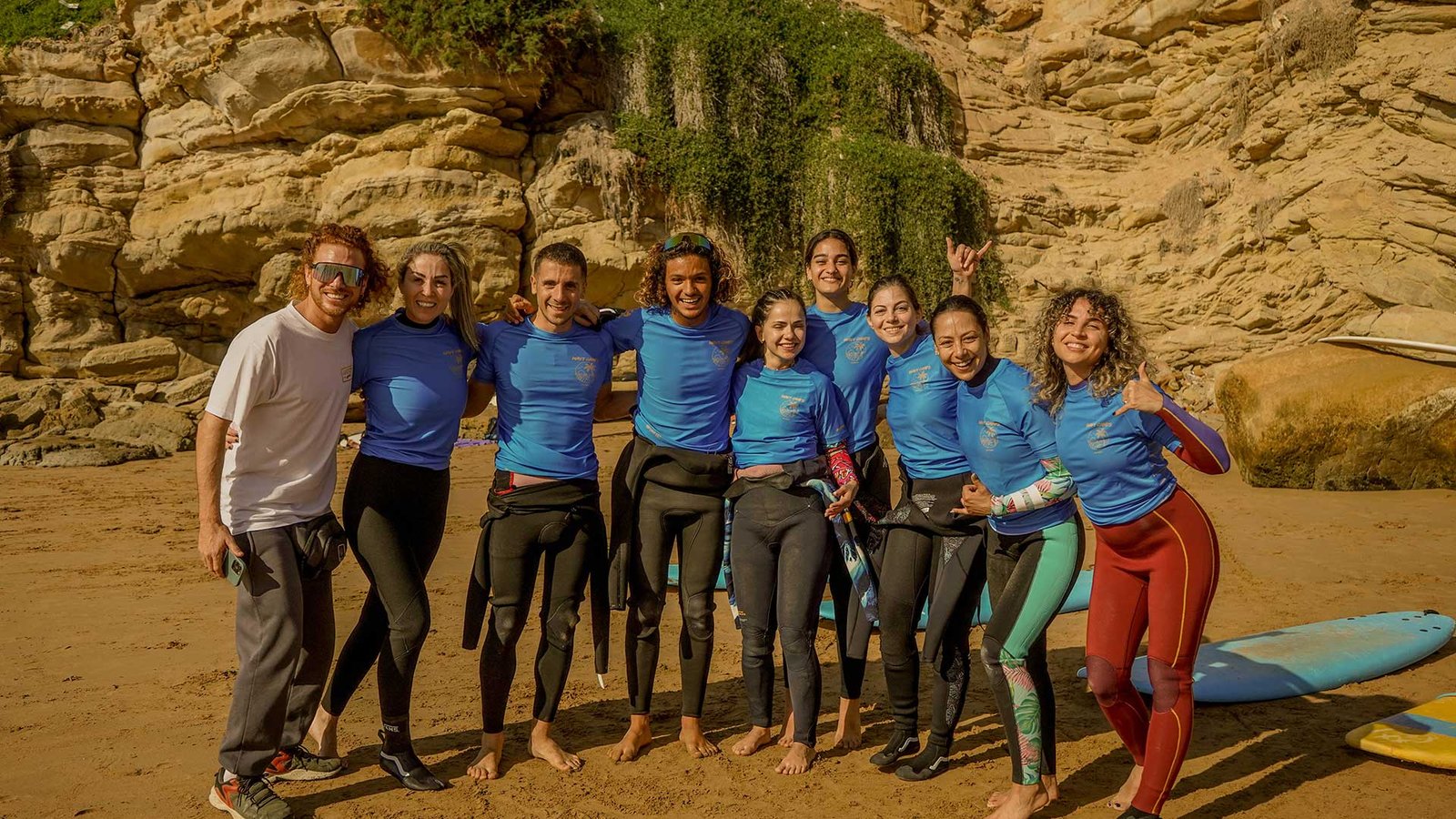
Imsouane is small enough that you end up talking to everyone. The surf camp community is real — people swap spots, share transport, eat together in the evenings. There’s live music some nights, long terrace dinners, the occasional spontaneous trip to the market in Tamri.
It’s not the relentless networking energy of a big co-working city. It’s quieter, more relaxed, and — for a lot of people — more genuinely connecting. You meet surfers, artists, remote workers, people on sabbatical. The common thread is that everyone chose to come somewhere a little quieter and a little slower on purpose.
Surfing in Morocco has a way of resetting your nervous system. The ocean does that. Combine it with good food, good company, and work that’s actually going well because you’re rested, and you start to understand why the one-week trip becomes two, then three.
Getting Here and Getting Set Up
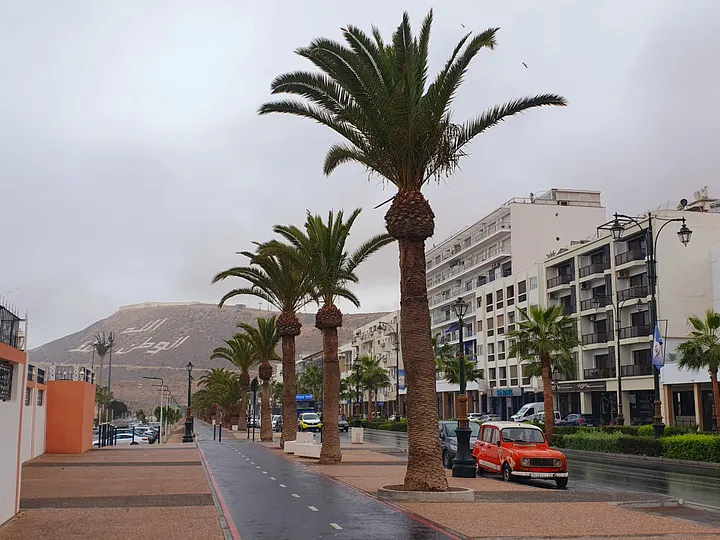
Fly to Agadir (most European carriers have direct routes from the UK, France, Spain, and Germany). From Agadir airport, a shared taxi to Imsouane costs around €20–25, or a private transfer about €50. The journey takes roughly 90 minutes along the Atlantic coast — already a nice decompression from travel mode.
If you’re planning to stay a while, Agadir is an easy day trip for anything you can’t find in the village — bigger supermarket, SIM cards, pharmacy, etc. Some long-stay nomads rent a car for a week to explore the coast; it opens up a lot.
For a proper work-and-surf setup at Olas, the Surf & Stay package covers accommodation, breakfast, and surf access so you don’t have to think about the logistics — just open the laptop when it’s time and close it when it’s time to paddle out.
When to come for the Imsouane vibe
Imsouane is surfable year-round, which is one of the underrated parts of the imsouane vibe for digital nomads — you’re not locked into a two-week peak-season window.
- October–March: Best surf. Consistent Atlantic swells, mild weather (18–22°C), fewer tourists. Slightly cooler evenings — bring a layer.
- April–June: Spring shoulder season. Still great waves, warming up, quiet. Arguably the best time for a longer nomad stint.
- July–September: Smaller waves, warmer water and weather (25–28°C), more tourists (still not busy by any standard). Ideal if you care more about the lifestyle than serious surf progression.
For most remote workers, April–May or October–November hit the sweet spot: good surf, good weather, lower prices, easier to get accommodation.
Outside the work-surf rhythm, the village has more going on than first looks suggest — see our local guide to things to do in Imsouane for off-screen options.
FAQ: Imsouane as a Digital Nomad Base
Is Imsouane good for digital nomads?
Yes, particularly for people who want a slower pace and genuinely want to surf. It’s not a co-working hub with a tech community — it’s a fishing village with good WiFi and one of the best beginner waves in Africa. If you want community and social energy, it exists but it’s quieter than major nomad cities. If you want headspace, focus, and salt air, it’s excellent.
Can you work remotely from Imsouane without issues?
For most types of remote work — writing, design, calls, project management, development — yes. WiFi at surf camps handles standard workloads. If you have high-bandwidth needs, a local Moroccan SIM with a data plan as a backup covers most situations. Maroc Telecom and Inwi are both solid options available at Agadir airport.
How long can you stay in Morocco as a tourist?
UK, EU, and US citizens can stay in Morocco for up to 90 days without a visa. That’s a solid digital nomad window. Passport requirements: valid for at least 6 months beyond your stay.
Is Imsouane safe for solo travellers?
Yes. Imsouane is a small village with a well-established surf tourism scene. Solo travellers — including women travelling alone — stay here regularly without issues. As with anywhere, basic common sense applies: keep valuables out of sight on the beach, don’t leave boards unattended in obvious spots.
What’s the surf like for complete beginners?
The Bay at Imsouane is one of the best beginner waves in Morocco — long, slow, and forgiving. Most people catch their first real wave here within the first lesson or two. You don’t need any surf experience to get started. Check the surf camp page for what’s included in beginner lessons.
Can I combine Imsouane with other Morocco travel?
Easily. Marrakech is about 3–4 hours by car — a great weekend trip. Essaouira is 2.5 hours north, another surf and culture town worth a stop. The coast between Imsouane and Agadir has plenty to explore if you have a car. Morocco is compact and well-connected enough that basing yourself here doesn’t mean missing the rest of the country.
0 Comments